
The macro risks lurking beneath the peace deal
The US-Iran agreement may have lifted stocks but the economic backdrop remains fragile

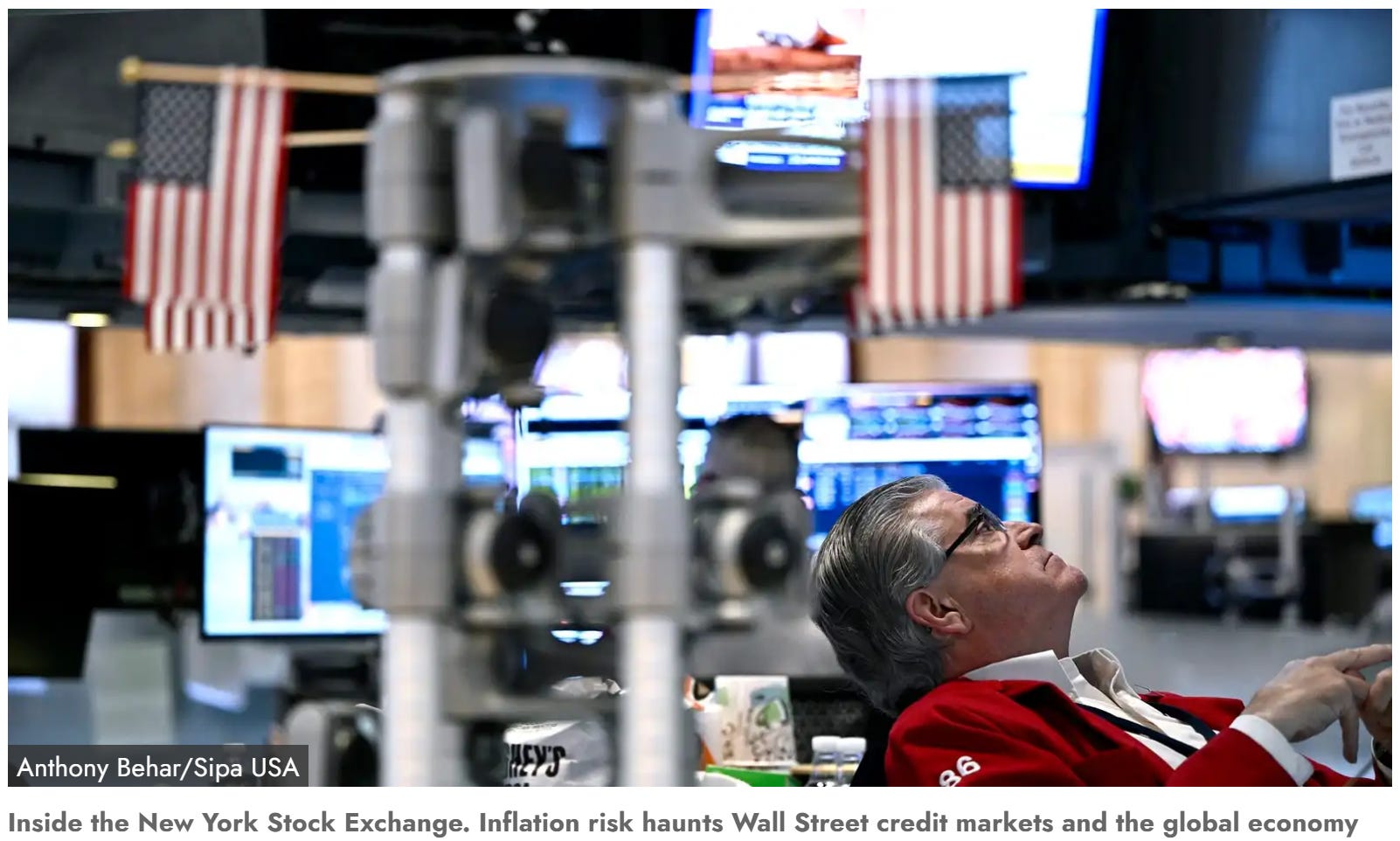
Wall Street lore holds that the interplay of four prices offers a powerful snapshot of macroeconomic risk: the price of money (represented by the yield on the 10-year US Treasury), the price of currency (captured by the US dollar index), the price of crude oil and the price of gold.
For GCC investors, this macro risk paradigm is even more relevant. Treasury bond yields shape the monetary policies of Gulf central banks and, in turn, liquidity trends in domestic asset markets.
Most GCC currencies are pegged to the US dollar but float against other monetary units. Oil is the largest and most strategic export for all six GCC states. Gold has long been a significant component of private savings in the Gulf, as well as central bank and sovereign reserves.
Even though the signed US-Iran peace framework boosted the US stock market, macro risk metrics remain elevated because a 60-day ceasefire is far from a peace treaty.
Washington and Tehran have not agreed to the most basic issues of a sanctions-relief timetable, or on the fate of Iran’s enriched uranium and ballistic missiles, as well as the IRGC’s demand to charge tolls on tanker traffic across the Strait of Hormuz.
Iran denies that the framework includes the disarmament of Hezbollah in Lebanon, which Israel views as an existential threat and casus belli. The hard diplomacy needed to secure a viable peace agreement has not yet begun between two adversaries who have been visceral enemies for 47 years.
Mistrust between the “Great Satan” in Washington and the “Axis of Evil” theocracy in Tehran is too vast to bridge in 60 days. Even the idea of a prospective deal is bitterly opposed by hardline factions on the Republican right and the IRGC generals who rule Iran in the supreme leader’s name. The markets are set up for disappointment.
Bond vigilantes
Inflation risk haunts Wall Street credit markets and the global economy. US consumer-price growth has hit a 4.2 percent annual rate, the highest in three years, while the 10-year Treasury yield remains within its recent 4.45-4.6 percent range. Inflation is well above the Federal Reserve’s 2 percent target. The Warsh Fed cannot ignore this reality.
So even though no rate hike occurred at the June 17 FOMC, the committee could lean hawkish if the inflation acceleration fails to abate. Bond vigilantes are no longer hibernating as the US Treasury Department seeks to finance a $40 trillion national debt.
Geopolitical tension and rising expectations of higher US rates have also contributed to renewed strengthening in the US dollar index, which has climbed from 99.20 to above 100 since the start of June. The dollar has reasserted its role as the primary safe-haven currency.
Emerging-market currencies have endured speculative hot-money outflows in June that wreaked havoc on domestic stocks and bonds. Asian currencies – the Indonesian rupiah, Bangladeshi taka, Philippine peso, and Indian and Pakistani rupees – teeter on the brink of an FX crisis at a time when the White House refuses to let the IMF play its traditional role as lender of last resort.
Meanwhile, oil markets have concluded that the peace framework marks a first step towards reopening the strait, even though considerable uncertainty clouds the outlook.
US President Donald Trump‘s oft-repeated prediction that oil prices would “drop like a rock” on a peace deal came true this week as Brent crude plunged from $95 to $79. Brent is still above its $70 pre-Epic Fury level.
A drop in Chinese oil imports, driven partly by secret sales from Beijing’s strategic reserves, together with 5 million barrels per day of exports routed through Saudi and UAE pipelines and a 1.4 million bpd hike in offshore production from Brazil, Guyana and the Gulf of Mexico, has helped prevent a speculative surge in crude prices.
Yet oil product markets – from jet fuel and diesel to naphtha and fertilisers – remain in near-comatose distress. The kingdom of black gold will take time to normalise as the strait is de-mined, commercial inventories remain depleted and Asia grapples with a chronic LNG import shortfall.
Gold has been one of the biggest casualties of Operation Epic Fury. The metal has fallen 25 percent since the conflict began and is down a further 10 percent in June alone, briefly touching $4,200 an ounce before rebounding above $4,300 on the framework agreement.
Paradoxically, the weakness in gold may be a symptom of elevated macroeconomic risk. As the oil shock, a surging dollar and higher Treasury yields drive capital out of emerging markets, central banks from Turkey and Indonesia to India have liquidated portions of their gold reserves in an effort to support embattled currencies.
The US stock market may have welcomed the prospect of an end to the Iran war, but broader macroeconomic risks remain elevated across global financial markets.